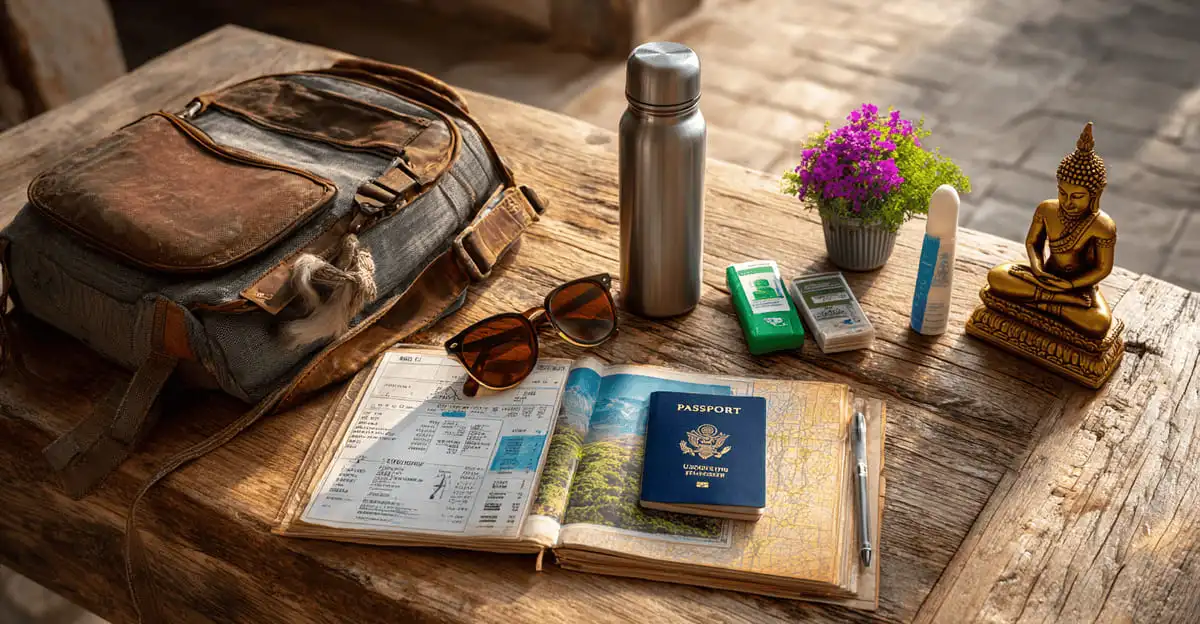
Practical tips before traveling to India
What documents are needed for a trip to India?
- Visa: Obtain a tourist visa (e-Tourist Visa) through the official website before your departure. It is issued within 48 business hours. More info here.
- Passport: Make sure it is valid for at least 6 months after your entry date into India.
- Travel insurance: Get insurance covering medical expenses, cancellations, and repatriation.
What vaccines and medical precautions should be taken before departure?
- Vaccines: Consult an international vaccination center before departure. Several vaccines are strongly recommended: Hepatitis A, Typhoid, DTP update.
- Medical kit: Bring basic medications (pain, diarrhea, disinfectant), sun protection, mosquito repellent (DEET 30-50%), rehydration salts. Antibiotics by prescription.
- Malaria: Consult your doctor before departure. At night: wear long clothing, protect neck/ankles/wrists, use a treated mosquito net. Risk present in many regions.
- Other risks: Mosquito-borne diseases (dengue, chikungunya). Beware of animal bites (rabies).
- Water and food: Drink only sealed bottled water. Avoid raw vegetables, ice cubes, and undercooked food. Peel fruits yourself.
How to organize your itinerary and manage your budget in India?
- Itinerary: India is vast and diverse. Prefer exploring one region (Rajasthan, Kerala, Himalayas, etc.) rather than trying to visit everything.
- Currency: The currency is the Indian Rupee (INR). More info here. Notify your bank of your trip to avoid any card blocking. If possible, bring cards from different networks (Visa, Mastercard). Finally, bring cash to better manage your budget.
- Budget: India is accessible for all budgets, but anticipate variations depending on accommodations, transportation, and your preferences.
What means of transport should you choose in India?
- Air travel: Domestic flights are convenient for long distances. IndiGo, India's main airline, is reliable and offers many connections at competitive rates.
- Trains: Experience Indian trains, but book your tickets well in advance. If you're caught short, the Tatkal system allows last-minute bookings, but with a surcharge and no guarantee of availability. This option should remain a last resort as during peak periods, like festivals or school holidays, even Tatkal seats sell out in minutes.
- Rickshaws and taxis: Prefer apps like Ola or Uber to avoid negotiations.
What is the best time to visit India and how should you dress?
- Climate: Check the season (monsoon, winter, or summer). Prefer the months from November to March for pleasant temperatures.
- Clothing: Wear light and modest clothing, adapted to local cultures. Avoid tight or revealing clothes in traditional areas.
How to stay safe during a trip to India?
- Prevention: Keep your personal belongings secure, especially in crowded areas.
- Cultural respect: Learn about traditions (like removing shoes in temples) and respect local sensitivities.
- Female travelers: Pay special attention to attire and avoid traveling alone late at night.
Internet in India, how to stay connected?
- SIM Card: For foreign travelers, buying a local SIM card for internet access is not easy in India. However, the arrival of eSIMs has greatly simplified the process. The main Indian operators - Airtel, Jio and Vi (formerly Vodafone-Idea) - offer this solution. Requirements: a valid passport, Indian visa, and digital ID photo. Check your device's eSIM compatibility before departure.
- Wifi: Hotels naturally offer wifi connection. Your driver will share their internet connection during your trips.
What are the tips for eating safely in India?
- Local cuisine: Try regional specialties (biryani, masala dosa, chai) but start slowly if you're not used to spices.
- Hydration: Stay well hydrated and avoid unfiltered ice cubes.
How to travel responsibly and ethically in India?
- Avoid plastic: Prefer a reusable water bottle with a filter.
- Animal respect: Be vigilant with attractions involving elephants or other animals, which can sometimes be mistreated.
- Support local: Buy from artisans and avoid large international chains.
What are the emergency numbers and useful information for a trip to India?
- Embassy: Note your embassy's contact information in India.
- Emergency numbers:
- Police: 100
- Ambulance: 102
- Women's assistance: 1091
Have a great trip and enjoy your stay in India!